Delicate Sugar Flower Basics
Highlighted under: Pastry Shop Recipes
I love making sugar flowers because they add a touch of elegance and artistry to any cake or dessert. The process may seem intimidating at first, but I’ve found that with a little practice and the right techniques, anyone can create stunning floral designs. In this guide, I’ll share the essentials to get you started on crafting beautiful sugar flowers, including tips on materials, tools, and basic techniques that will help you bring your creative visions to life.
When I first dabbled in sugar flowers, I remember feeling both excited and a bit overwhelmed by the endless options available. I decided to focus on a few basic shapes, like roses and daisies, and practice those until I felt confident. What really helped me was watching online tutorials and following step-by-step guides; these resources made complex techniques feel manageable and fun!
One specific tip I’d love to share is to work in a cool environment. It prevents the sugar paste from becoming too soft to handle, allowing you to create more intricate designs. Also, don’t be afraid to experiment with colors and shapes—each small adjustment can lead to stunning results!
Why You'll Love This Recipe
- Transform simple desserts into captivating showpieces
- Fun and creative process that enhances baking skills
- Versatile design options for various occasions
Selecting the Right Tools
Having the right tools is crucial when creating sugar flowers. Invest in a good set of flower shaping tools, including a ball tool, veining brushes, and petal molds. These tools help you shape your petals and leaves more naturally. I recommend looking for silicone molds for more intricate designs; they create defined patterns that lend a professional finish to your flowers.
Don’t forget about cutters! Flower cutters come in various shapes and sizes, allowing you to make everything from tiny blossoms to large statement pieces. If you can, choose stainless steel or durable plastic cutters, as they clean easily and last longer. Additionally, a good rolling pin or icing mat will streamline your process by providing a smooth surface to work with.
Working with Colors
When it comes to coloring your sugar flowers, gel food coloring is your best bet for vibrant, long-lasting hues. It's concentrated and won’t alter the consistency of your gum paste. Start with a small amount and gradually add more until you achieve the desired shade. Remember, colors tend to deepen as the paste dries, so aim for a slightly lighter tone than what you envision.
Additionally, consider using petal dust or luster dust for a final touch. These powders can add depth and shimmer to your flowers, highlighting their beautiful details. To apply, simply use a soft brush to dust lightly over the petals. It’s a great way to add realism without heavy layers of color.
Storing and Handling Flowers
Once your flowers are dry, proper storage is key to maintaining their beauty. Place them in a cool, dry area, preferably in a box to prevent dust accumulation. If you’ve added any delicate details like edible glitter, make sure they are protected from moisture and humidity. A desiccant packet can help keep the environment dry, especially during warmer months.
Should you need to transport your flowers, consider using a flower box for cushion and support. I suggest using soft tissue paper or bubble wrap to surround them gently, ensuring they don’t get squished. If you need to make flowers in advance, they can typically last for several weeks stored properly, but avoid exposing them to direct sunlight to prevent fading.
Ingredients for Sugar Flowers
Basic Ingredients
- 2 cups icing sugar
- 1/2 cup gum paste
- Food coloring (optional)
- Water (as needed)
- Tylose powder (optional for added strength)
These ingredients will provide you with a foundation for creating a variety of sugar flowers.
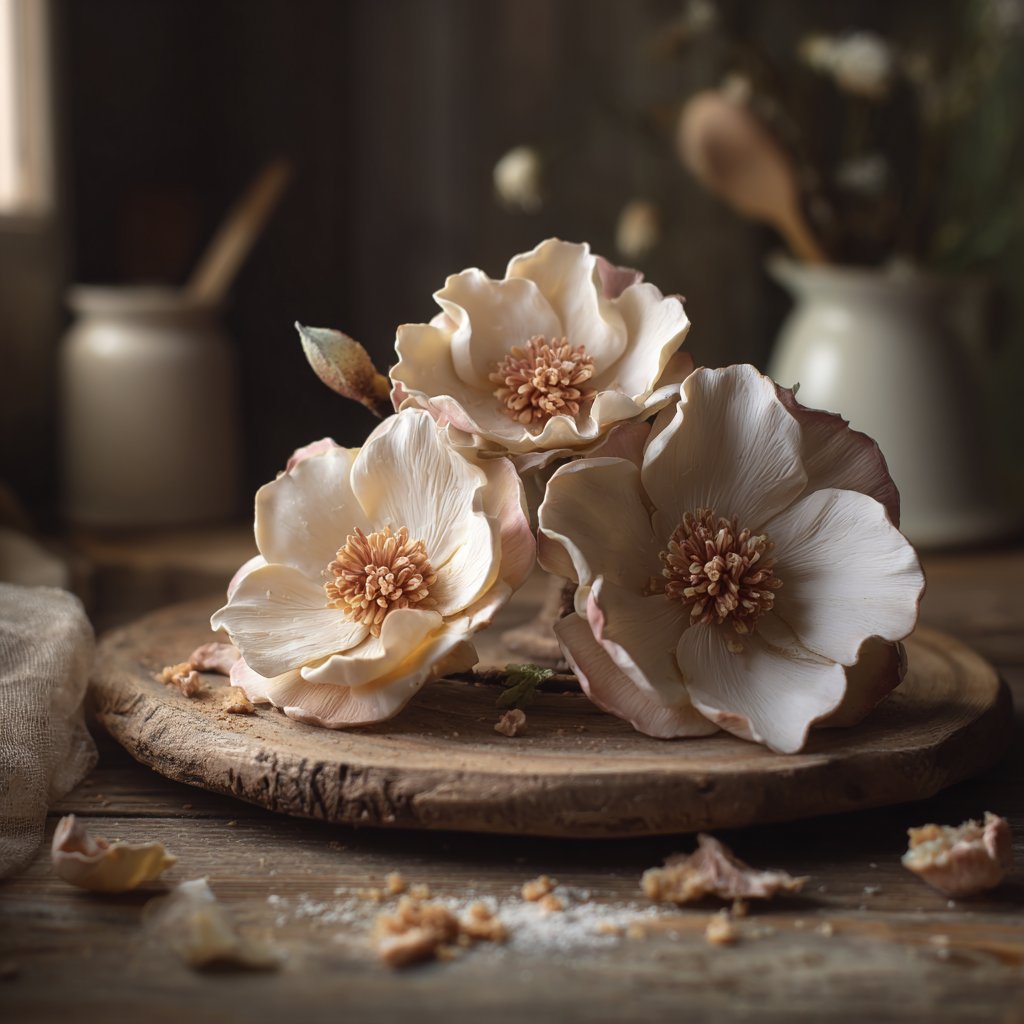
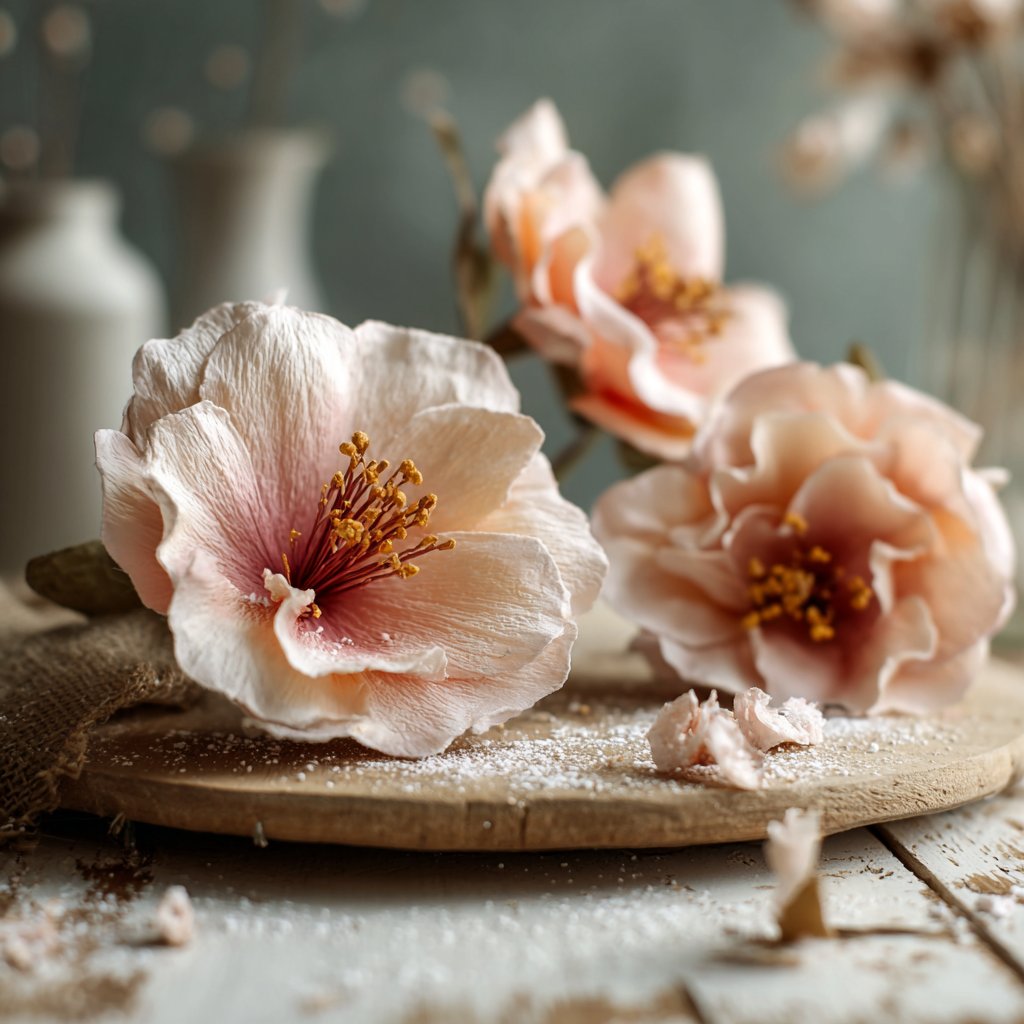
Steps to Create Sugar Flowers
Prepare Your Workspace
Start by gathering all your ingredients and tools. Make sure your workspace is clean and organized to avoid any mess while working with the sugar paste.
Making the Sugar Paste
In a bowl, combine the icing sugar and gum paste. If using, sprinkle in tylose powder for added strength. Gradually add small amounts of water until the mixture reaches a smooth and pliable consistency.
Creating Flower Shapes
Roll out the sugar paste on a non-stick surface. Use flower cutouts or shaping tools to create petals. Carefully shape and assemble the petals to form flowers like roses or daisies.
Letting Flowers Dry
Place the finished flowers on a drying rack or a piece of foam to maintain their shape. Allow them to dry completely before using them on your desserts.
Once the flowers are dry, you can attach them to your cakes or cupcakes using royal icing or edible glue.
Pro Tips
- Remember, practice makes perfect! Don't be discouraged by initial attempts. Each flower you create will improve your skills.
Troubleshooting Common Issues
If your sugar paste feels too dry and crumbly, it's often a sign that not enough water was added during mixing. Gradually add a few drops of water and knead thoroughly until the paste is soft and pliable. Conversely, if it becomes too sticky, lightly dust your workspace with icing sugar and re-knead it to achieve the right consistency.
Another common issue is flower petals not holding their shape. This can happen if they are rolled too thin or not dried properly. Ensure your petals are at least 1/8 inch thick for stability and allow ample time for them to dry in a structured position, using foam or drying racks for support.
Flavor Enhancements
While sugar flowers are primarily decorative, incorporating flavor into your sugar paste can elevate the overall experience of your cake. Consider using flavored extracts, like almond or vanilla, in small amounts to infuse subtle taste into the paste. Just a half teaspoon can make a notable difference without affecting the paste’s workability.
Another idea is to pair your flowers with flavored fillings in your desserts. For example, a lemon cake paired with lavender or rose-flavored sugar flowers creates a beautiful and fragrant combination. This not only makes the cake visually stunning but also enhances the sensory experience with complementary flavors.
Scale and Adapt
If you're preparing for a larger event, scaling up your sugar flowers is quite manageable. Simply multiply the recipe as needed, but ensure you have enough workspace and tools to accommodate the increased volume. It may be helpful to dedicate multiple days to avoid fatigue and ensure each flower is crafted with care.
You can also adapt your designs based on the season or occasion. For example, during spring, consider using pastel colors and flowers like tulips or cherry blossoms. For fall, you might opt for deeper hues and flowers like chrysanthemums. This flexibility allows you to continually refine your skills while catering to different themes.
Questions About Recipes
→ Can I use regular fondant instead of gum paste?
While you can, gum paste is preferable for its flexibility and ability to dry hard.
→ How can I store made sugar flowers?
Store them in a cool, dry place in an airtight container to prevent moisture damage.
→ What can I use for coloring the flowers?
You can use gel food coloring or petal dust for a more vibrant finish.
→ How long will sugar flowers last?
If stored properly, sugar flowers can last for several months without losing their quality.
Delicate Sugar Flower Basics
Created by: The Ellensrecipes Team
Recipe Type: Pastry Shop Recipes
Skill Level: Beginner
Final Quantity: Serves 10
What You'll Need
Basic Ingredients
- 2 cups icing sugar
- 1/2 cup gum paste
- Food coloring (optional)
- Water (as needed)
- Tylose powder (optional for added strength)
How-To Steps
Start by gathering all your ingredients and tools. Make sure your workspace is clean and organized to avoid any mess while working with the sugar paste.
In a bowl, combine the icing sugar and gum paste. If using, sprinkle in tylose powder for added strength. Gradually add small amounts of water until the mixture reaches a smooth and pliable consistency.
Roll out the sugar paste on a non-stick surface. Use flower cutouts or shaping tools to create petals. Carefully shape and assemble the petals to form flowers like roses or daisies.
Place the finished flowers on a drying rack or a piece of foam to maintain their shape. Allow them to dry completely before using them on your desserts.
Extra Tips
- Remember, practice makes perfect! Don't be discouraged by initial attempts. Each flower you create will improve your skills.
Nutritional Breakdown (Per Serving)
- Calories: 50 kcal
- Total Fat: 0g
- Saturated Fat: 0g
- Cholesterol: 0mg
- Sodium: 5mg
- Total Carbohydrates: 12g
- Dietary Fiber: 0g
- Sugars: 12g
- Protein: 0g